Long Enough To Meet It
This is the reckoning.
Not just seeing clearly, but losing the structure that allowed you to avoid what you see.
And this is the moment that feels the most dangerous.
The loss of control. The disorientation. The sense that what once held you together is no longer working.
But look more closely.
You are not losing control. You are losing the structure that required it.
Inside that disorientation, something else begins to move.
A different kind of intelligence.
Not the kind that plans or predicts or controls.
An organizing intelligence that emerges from contact. From staying. From allowing what was interrupted to complete.
This is why the mind cannot lead you here.
Because the mind is built to preserve the existing structure. This moment requires something else entirely.
To let the structure reorganize from underneath you.
Not cleanly. Not comfortably.
But accurately.
Because when a system reorganizes, it does not return to what it was. It forms around new conditions.
New capacity. New tolerance. New truth.
Information without coherence is noise.
People don’t experience your ideas.
They experience your nervous system.
If there’s a split between what you say and what you are holding, the split speaks louder.
You can’t scale impact on fragmentation.
You can’t build trust on performance.
You can’t demand accountability while avoiding self-examination.
Alignment is not aesthetic.
It’s measurable in how safe others feel around you.
In how clean your feedback loops are.
In how little force you need to create movement.
When the inside and the outside match, signal sharpens.
Everything else is static.
When the Social Brain Goes Dark
Humans have a social brain network—regions responsible for empathy, perspective-taking, and mentalizing.
When you see someone fully, these networks fire.
When you reduce them to a stereotype, label, or category, the network shuts down.
Dehumanization is not moral failure. It is a functional failure. A neural shutdown. And it scales.
Punctuated Equilibrium: Why Cultural Change Happens All at Once
Cultural change doesn’t happen slowly — it happens when people stop carrying the cost of a broken system. For decades, harm is absorbed privately, stress is hidden, and exhaustion is normalized. Then, suddenly, everything shifts.
Pressure doesn’t disappear. It reorganizes. Change comes when enough people stop surviving the wrong problem — together.
The End of Pretending
As the stories and frameworks that once structured society lose their power, the unconscious begins to shape what emerges next. This threshold moment is not personal failure but a collective shift, where symbolic imagination intensifies, new values surface, and systems reorganize. Authority and control give way to coherence, courage, and generative collaboration. Across disciplines—sociology, political theory, anthropology, and systems science—this process reflects the human drive to restore meaning, transform instability, and create structures aligned with lived reality.
Don’t Let Dominance Live in Your Body
The body carries more than weight—it carries the imprint of fear, control, and compliance. Muscle memory, posture, and breath can either reinforce dominance or reclaim autonomy. When the body learns to respond from presence instead of contraction, it signals safety, sets boundaries, and transforms both individual and collective experience. Liberation begins in the stance, the movement, the rhythm of the body; free bodies create free cultures. Science and history show that embodied freedom radiates outward, disrupting control, resisting hierarchy, and seeding new possibilities for how we inhabit the world.
How Justice Enters the Overton Window
Societies do not drift toward justice; they drift toward what can be tolerated without disrupting power. What enters public consensus is shaped less by reason than by threat, fear, and emotional regulation, which narrow empathy and reward numbness. In this terrain, injustice becomes normalized through moral disengagement, sanitized language, and diffused responsibility, while justice is framed as destabilizing or unrealistic. Throughout history, liberation has entered the frame only when denial collapses—when suffering becomes visible, avoidance fails, and repair is recognized as a condition of survival rather than virtue. Justice does not arrive because systems grow kinder; it arrives when everything else stops working.
Polarization Is a Symptom
Polarization is not the cause of social breakdown but the visible effect of blocked agency and unclaimed authority. When power cannot circulate, systems reorganize around that constraint, externalizing unresolved fractures through splitting, attachment to instability, and repeated conflict. What appears as ideological division is the surface expression of a deeper loss of coherence. When authority is reclaimed at its point of rupture, generative power returns, coherence restores itself, and polarization loses its function.

Never Mistake Control for Safety
Control is often mistaken for safety because it can suppress visible disorder. But suppression is not stability. Systems that rely on domination—surveillance, coercion, punishment, enforced compliance—do not regulate threat; they displace it. Pressure accumulates beneath the surface, trust erodes, and fragility increases. True safety emerges not from force, but from coherence: when authority is grounded in legitimacy, feedback can travel without punishment, and systems are capable of adapting to uncertainty without collapsing or retaliating. Where control escalates, instability is already present.

From Metacrisis to Coherence
The metacrisis is epistemic and relational—a collapse of shared meaning, values, and trust.
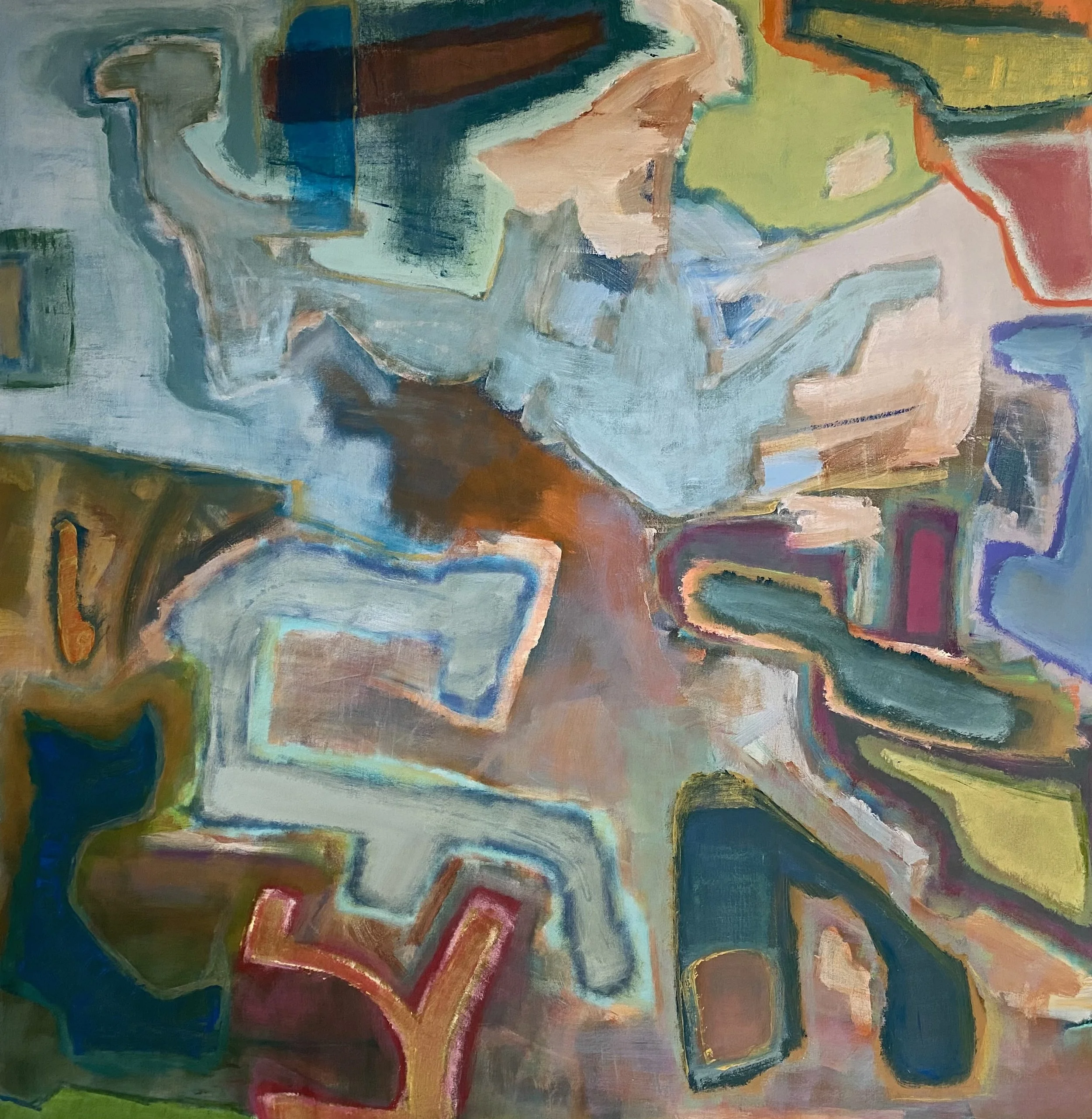
Sahaja Spanda
Sahaja Spanda embodies the primordial rhythm of existence, where spirit and matter are inseparable and the sacred flows through the sensual. Rooted in the teachings of the Sahajiya Siddhas, this principle recognizes the union of feminine and masculine forces, the innate perfection of one’s essence, and the continuous creative pulse of Spanda. Every heartbeat, breath, thought, and feeling reflects this subtle vibration, offering a path to move through life with awareness, freedom, and alignment with the fundamental life force.

Theater of Becoming
Trauma leaves traces in every fiber of our being, scripting patterns we unconsciously replay. Our bodies respond with fight, flight, freeze, or appease—tension, panic, paralysis, over-accommodation—each leaving marks on our health, thoughts, and relationships. Yet within these patterns lies a hidden potential: courage, clarity, presence, and empathy. Recognizing and leaning into these responses allows us to reclaim the intelligence encoded in our nervous system, transform old loops, and move from survival to creative, radical engagement with life.

Supernatural
Coherence aligns the nervous system, heart, and brain to create a state where cognition, emotion, and physiology work in harmony. By cultivating alignment through awareness and energy-based practices, neural circuits are reshaped, supporting resilience, mental clarity, and optimal immune function. When these systems synchronize, the body’s innate intelligence expresses itself fully, allowing energy, intention, and attention to converge into creativity, flow, and self-directed transformation. The extraordinary outcomes often experienced are a natural result of a system functioning in energetic and physiological alignment.
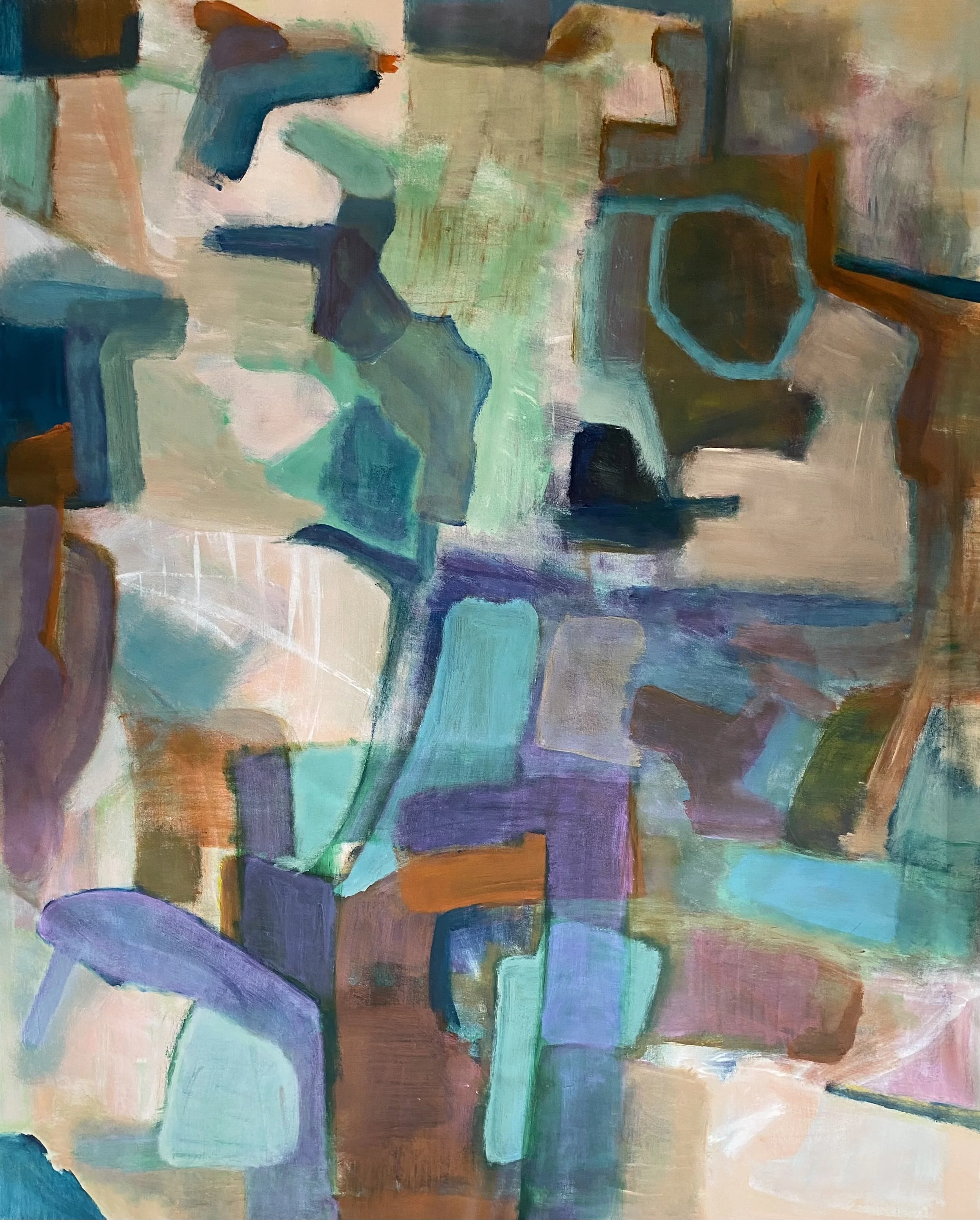
What’s Shaping Us
Trauma does not only live in memory—it imprints on the body. Epigenetics shows how experiences like slavery, colonization, famine, and systemic oppression leave chemical marks on DNA that can be passed through generations, contributing to health disparities such as hypertension, autoimmune disorders, and PTSD. Indigenous traditions have long affirmed that “the blood remembers” and “the bones are libraries,” reminding us that we carry both wounds and gifts from our ancestors. Just as trauma is inherited, so too is resilience—endurance, creativity, resistance, and strength live in our cells. BodyTalk works at this biological level, repairing stress pathways, regulating the nervous system, and reopening communication in the body so it can remember how to heal itself.

Procession of Shadows
Shadows—our grief, trauma, and the fractures of the world—carry the hidden potential for love, growth, and restoration. When we confront and integrate these deep, often painful experiences, we awaken the capacity for personal and generational healing. This work strengthens resilience, fosters connection, and lays the foundation for a society built on care, compassion, and collective responsibility. By embracing the shadows within ourselves and our communities, we reclaim the love and intelligence that has been buried, transforming suffering into a force for life, purpose, and enduring cultural repair.

Listening With The Skin
Our skin is where life first touches us, a living gateway to sensitivity, presence, and purpose. To feel deeply — to register both beauty and pain — is not fragility, but the very pulse of what makes life meaningful. By honoring this sensitivity, we learn to stay centered in ourselves while knowing our place within the larger constellation of existence. Here, purpose is not about what we do, but who we are: a radiant alignment with the highest good, lived generously and awake.
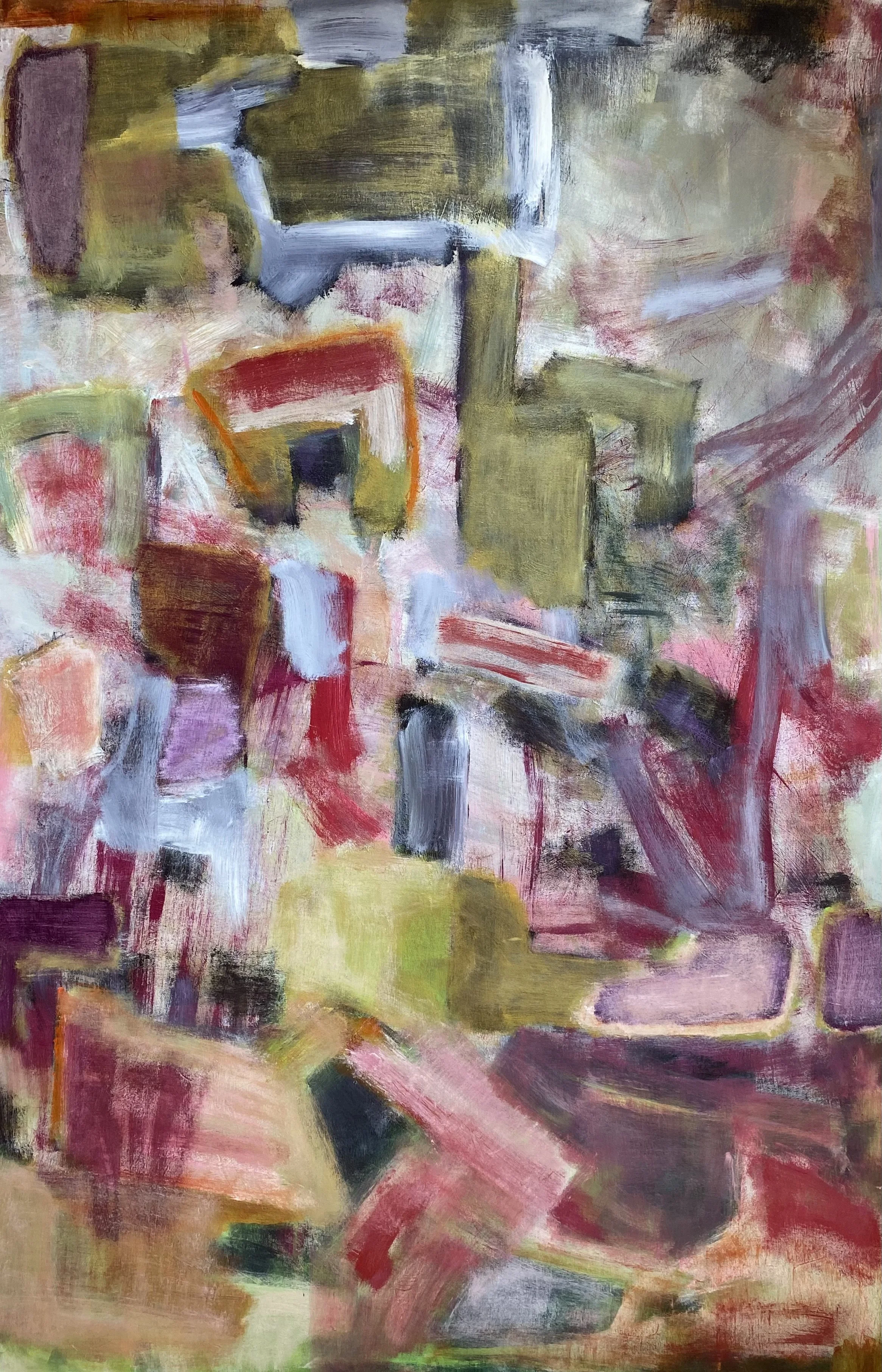
Memory Scaffold
Memory shapes the body, storing trauma, habits, and grief across cells, fascia, and bones. While these internal scaffolds kept us standing through survival, they can also limit our capacity to live fully in the present. True healing honors the past while dismantling what confines us, creating new frameworks aligned with vision, desire, and creative impulse. By consciously rearranging these internal structures, we reclaim the freedom to move through life with strength, presence, and agency.

Amber Without the Sun
Consciousness is the subtle, radiant force that breathes life into existence, turning mere form into a vessel of spirit. Without this inner light, everything loses its depth and warmth, becoming hollow and lifeless. Nurturing this presence is an act of devotion that reconnects us to the infinite, allowing us to move through the world with meaning, grace, and profound connection.

Split Mind
Separation isn’t just emotional—it’s biological, behavioral, and cultural. When our early experiences teach us that connection isn’t safe or reliable, we adapt by fragmenting ourselves, hiding who we are to gain love or approval. This survival strategy creates a false self and leaves us disconnected from our bodies, instincts, and sense of belonging. True healing is not about fixing ourselves, but unlearning the fear that made us disconnect in the first place—so we can return to the deep truth that we are, and have always been, connected.

Threshold Space
The threshold is where the familiar falls apart but the future hasn’t fully arrived—a raw, destabilizing space where survival patterns glitch, fear surges, and nothing feels solid. It’s the rupture before repair, where old defenses lose their grip and something new starts to take root—not with certainty, but with breath, presence, and the courage to stay. What feels like collapse is often the prelude to becoming. Stay long enough, and the void becomes the doorway.