For over 23 years, Greg Wieting has helped founders, entrepreneurs, and creatives heal developmental and complex trauma, PTSD, and the chronic illness and mental health challenges that emerge from them. He is the founder of Obsidian, a 9-month incubator to help leaders forge undivided, self-possessed presence.
Wieting practices The BodyTalk System, a comprehensive and personalized healthcare system unique in its ability to restore coherence across body, mind, and spirit. His work integrates studies in neuroscience with somatic and mindfulness-based practices, alongside training in systems theory, complex adaptive systems, epigenetics, Ayurveda, Chinese Medicine, and contemplative traditions.
Grounded in Advaita Vedanta and nondual inquiry, his approach addresses not only the resolution of physiological stress but also the deeper deconditioning of identity structures that organize perception, behavior, and power. Shaped by indigenous healing traditions, consciousness studies, and liberation-focused facilitation, Wieting brings a precise understanding of how socialized trauma and systemic pressures shape physical, mental, and emotional health, leadership, and the capacity to act with clarity and courage.
A self-taught visual artist, Wieting has been cultivating his painting practice in his San Francisco studio since the spring of 2024, elevating his artwork with the same rigor and insight he brings to his healing work. He views this creative practice as another way of tracking rupture, reckoning, repair, and reclamation. His debut exhibition, curated by SLATE Contemporary, ran at The Clorox Building in Oakland from October 7, 2025 through January 7, 2026.
Wieting is a faculty member with The Shift Network and has shared this work with The Institute of Noetic Sciences, The California Institute of Integral Studies, California Academy of Sciences, Hive Global Leaders, and The Breathe Network. His work is inseparable from his commitment to liberation and anti-racism. He stands with BIPOC, AAPI, Latinx, LGBTQIA+ communities, immigrants, refugees, and survivors of sexual assault, abuse, and gender-based violence.
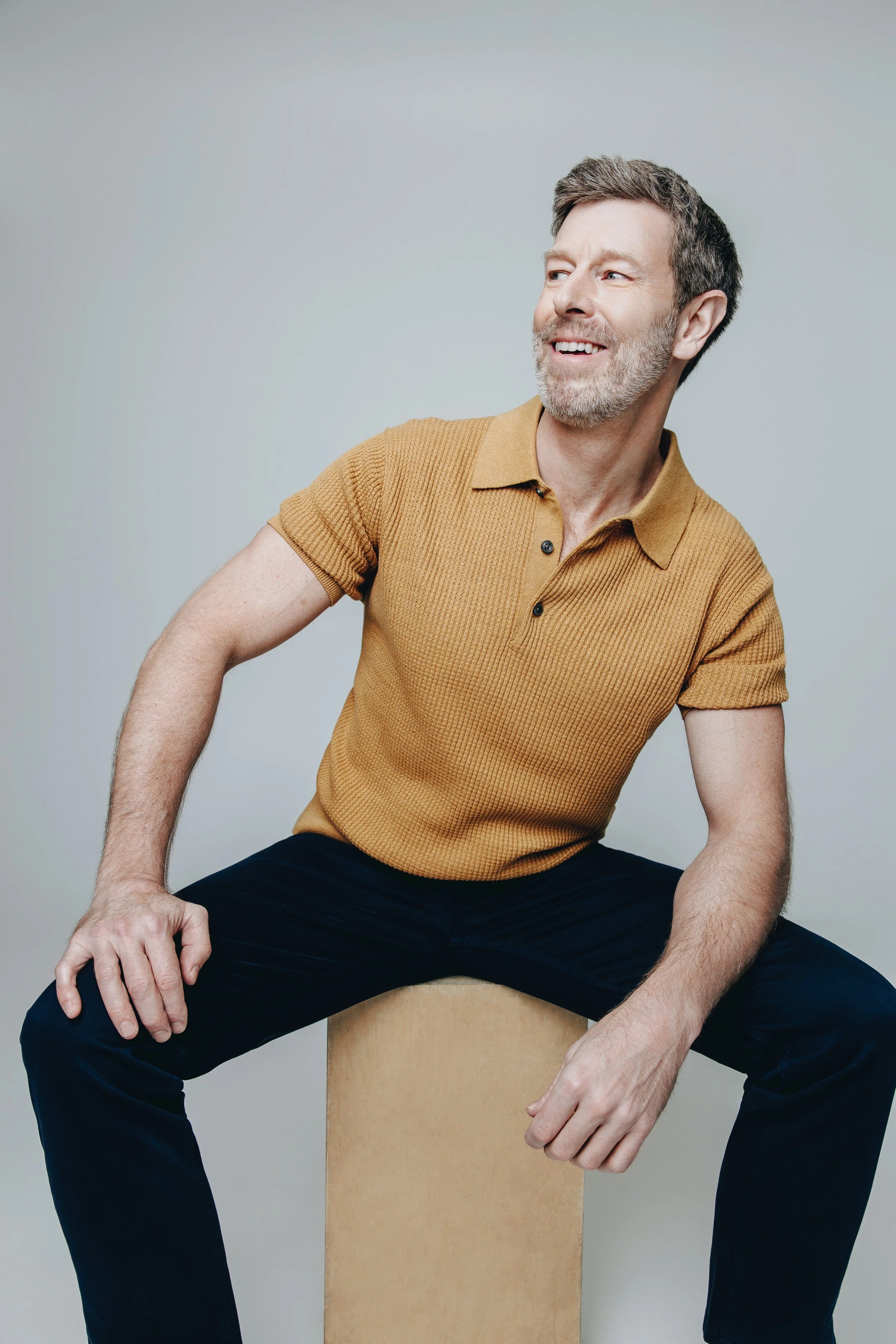
I know what it's like to feel trapped in your own body and mind. I grew up with debilitating migraines, chronic pain, scoliosis, kyphosis, frequent ear infections, and strep throat. Anxiety and depression followed, alongside digestive challenges. I felt like my body and mind were tied in knots, leaving me in agonizing despair.
I spent years chasing, suppressing, and managing symptoms as separate compartments, which only made matters worse. It wasn’t until I discovered The BodyTalk System that I began to understand the biology of wholeness and awaken to my innate healing power. It was a complete paradigm shift.
Through this journey, I discovered that physical, mental, emotional, and spiritual health are entirely inseparable. I came to understand that symptoms are sacred signals—not malfunctions, but invitations to look deeper. I learned that who we become when we heal ourselves is who our mission and our lives need us to be.
Today, I stand nearly three inches taller, fully upright in my life. I no longer live with chronic pain, anxiety, depression, or migraines. My digestion and immune system are stronger than ever. Most importantly, I’ve never felt more alive and like myself.
For over 23 years, I've helped thousands of clients mine the gold of unresolved trauma to heal anxiety, depression, pain, and chronic illness so they can live with the truth, power, and freedom of bold, courageous hearts. Your coherence, clarity, and courage matter. They shape a life of consequence, meaning, and purpose.
Check out over 60 testimonials here.
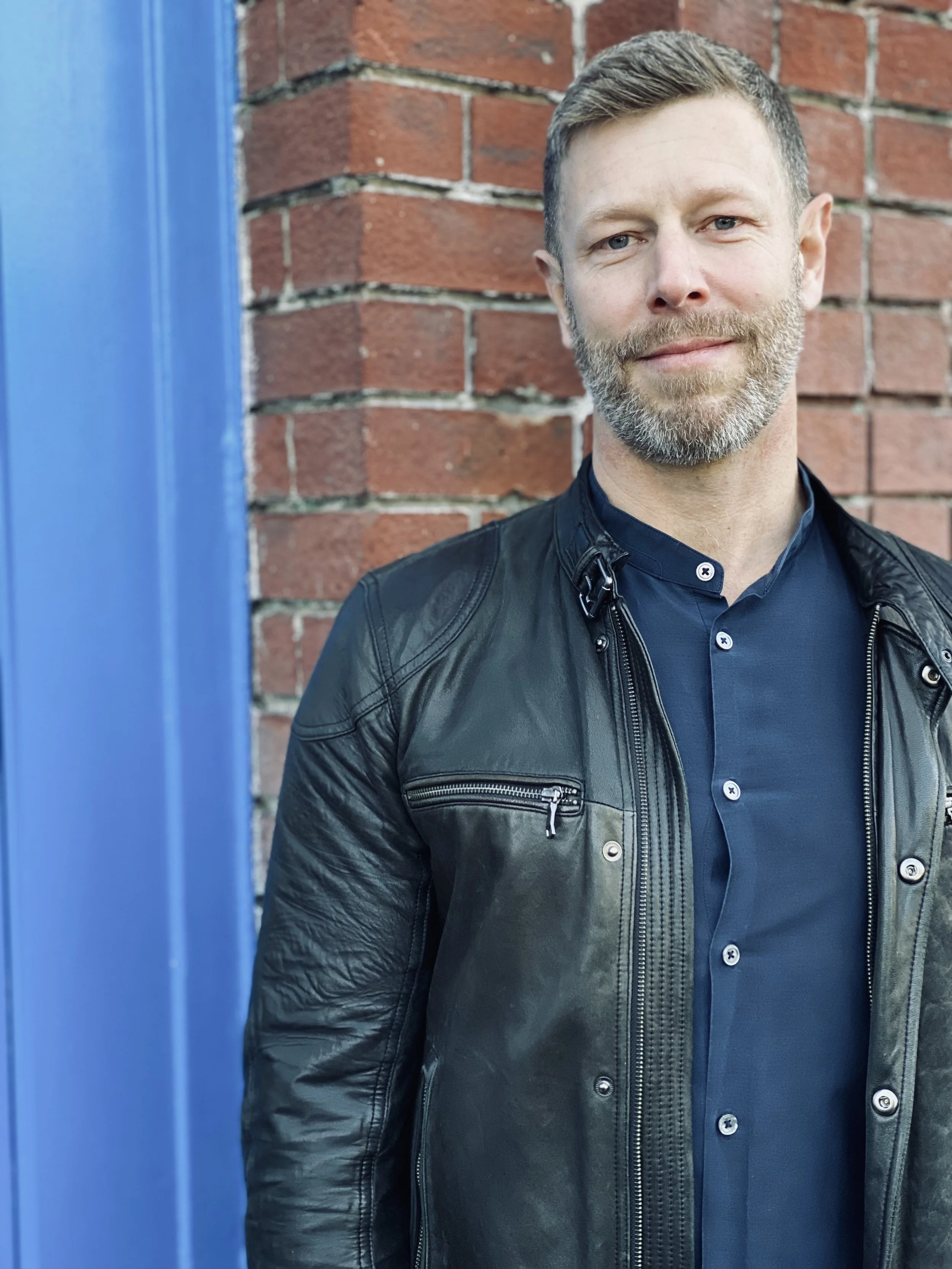
My career began with the Washington Wilderness Coalition in Seattle, first as a canvass director, then as a grassroots organizer, training and leading teams in high-stakes campaigns. I raised funds, mobilized communities, forged political alliances, built statewide volunteer networks, and created coalitions with national organizations such as the Sierra Club, The Nature Conservancy, and the Audubon Society.
This work culminated in the 2001 Roadless Rule, protecting nearly 60 million acres of public land, and in establishing the Wild Sky Wilderness, securing 2.6 million acres across the Cascade Range.
Those years taught me what leadership looks like under gravity: holding responsibility for something larger than oneself, acting in alignment with purpose, and navigating complexity with courage and clarity. We were protecting life, memory, and the sacred bond between people and the living world, a reckoning that still lives in me.
The lessons of that work continue to shape how I approach transformation today: leadership is inseparable from responsibility, vision, and integrity. The ability to act decisively in service of what truly matters is the foundation of any meaningful impact, whether in protecting wilderness, cultivating human potential, or guiding the world toward coherence.
Artist Statement
Wieting's paintings begin in breakage. Surfaces worked until they fracture, layered until what lies beneath insists on showing itself. What accumulates and what is taken away both leave a record, legible to the body before the mind arrives to name it.
How color holds or refuses. How what was covered becomes, through pressure and time, the thing most present. What the surface does, the work does.
The wound and the witness occupy the same layer of paint. Not sequentially. Simultaneously. The work does not move from one to the other. It remains inside both.
What the viewer encounters is a field that has not closed. The question it holds is not asked in words. It is asked in the way the eye moves through what cannot be resolved: finding footing, losing it, finding it off-center.